{`The day I finally hugged the teammates I'd only ever met on a screen.`}
18 Hours on the Ground: A Business Trip to Dhaka, Bangladesh
Lukas
Jun 4th 26
11 min Read
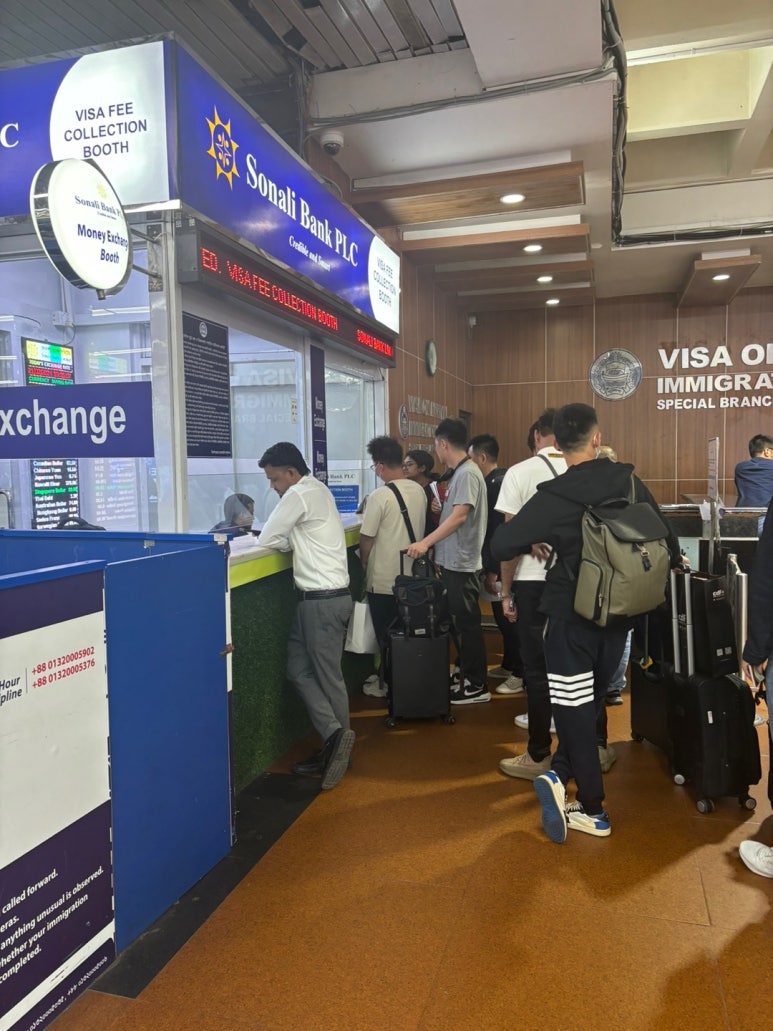
I'm swamped — too much to do. But I have to write down what I saw and learned on this 18-hour business trip to Dhaka, Bangladesh, in as much detail as I can, before memory distorts it. There are no direct flights, so it was a brutal 14-plus hours each way. Since my wife was carrying the childcare solo, I had three days. Two of them would be spent on planes or in airports, leaving roughly one full day with the team. Even one day felt like a gift.
A furious first impression
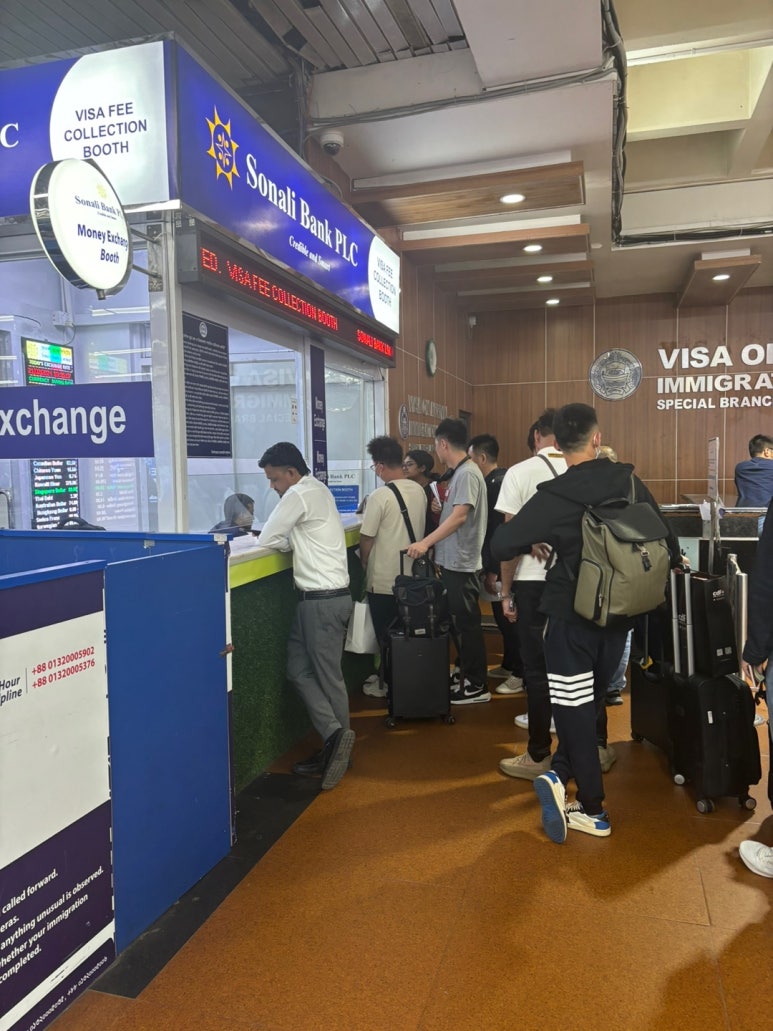
The first thing to do after landing in Bangladesh was get a visa. Short-term visitors like me need a temporary "landing visa," and the process was a shock. The man in a shirt standing to the left of the counter is both a government official and a broker. Pay him about $10 and, like a Lotte World magic pass, he lets you cut to the front of the line. Knowing my team was waiting at the airport for my scheduled arrival made it worse. The visa counter processed everyone at a deliberate crawl, with a vibe of "in a hurry? buy the bribe, buy the magic pass." The temptation to pay and get out fast kept surfacing — but I waited it out stubbornly. If I paid the bribe once, they'd keep demanding it forever.
Guangzhou to Dhaka took four hours; the visa alone took three. Thinking about my team waiting for over three hours in the arrivals hall made my stomach turn. They later told me that, with no contact from me and three hours gone, they'd nearly called the police to report something wrong. I'm so sorry and so grateful to the teammates who waited until 1 a.m.

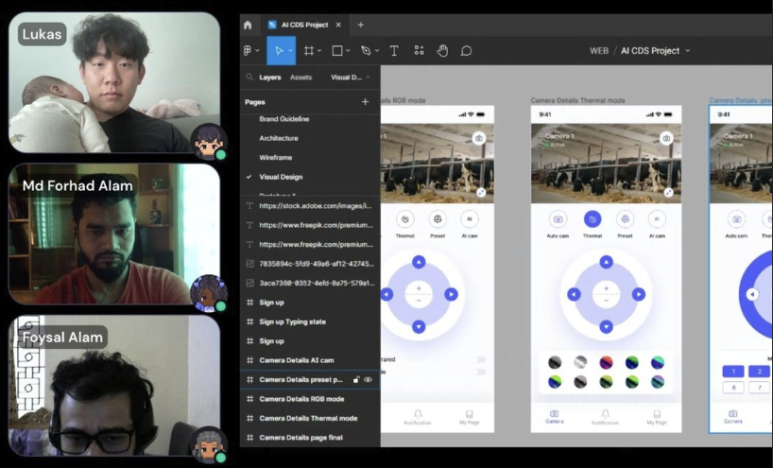
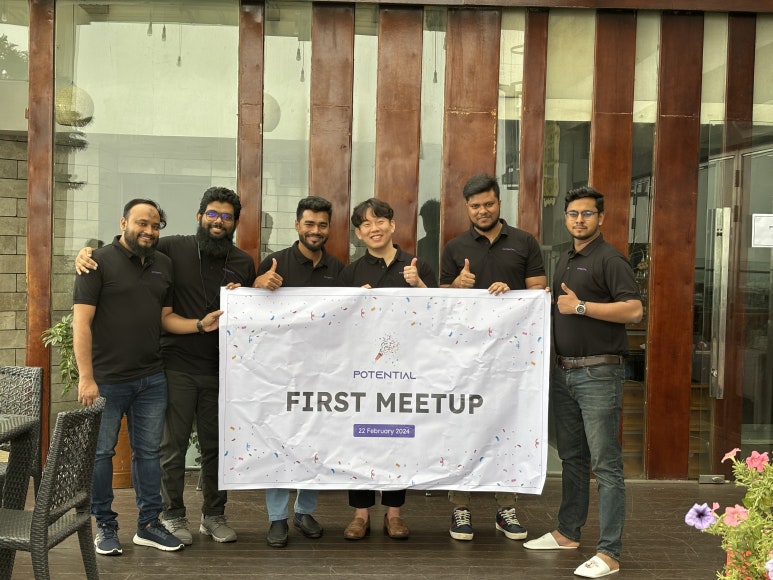
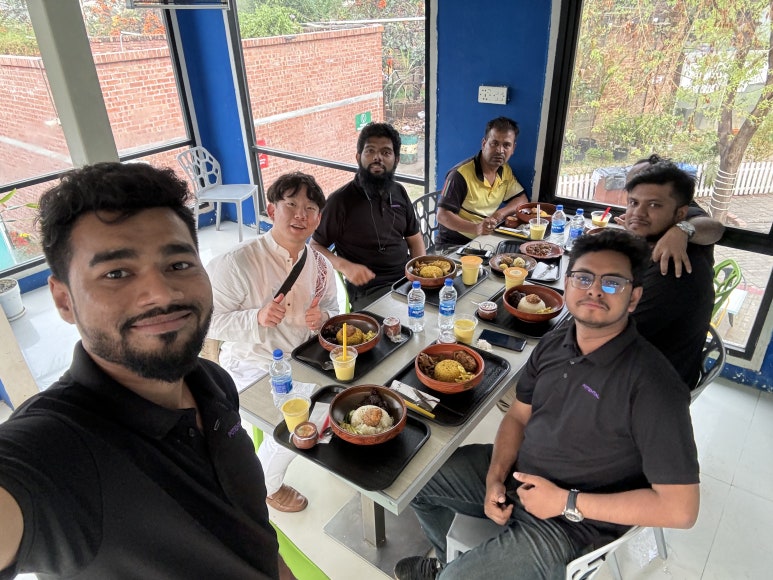
Actually shaking hands and hugging the teammates I'd only ever met on a monitor was a strange, moving thing. Pohad looked exactly as I'd pictured. Siam — whom I'd somehow imagined as slight — turned out to be a giant, nearly 6'2". Anik was as confident in person as he'd always been on screen, and Abdul was, of course, sharp. Atik, who'd joined less than a month earlier, was a little shy.
The streets of Dhaka on the way from the airport to the hotel were striking. Unlike the Bangladesh you see on YouTube, the city pulsed with energy — you could feel the force of a place growing fast, almost writhing with it. I'm sorry I didn't get photos, but roughly every 50 meters an IT institute (think coding bootcamp) ad caught my eye.
My teammates told me Bangladesh promotes the outsourcing industry at the national level. The state teaches people to code and shows them how to earn money on Upwork and Fiverr — which I found genuinely remarkable. We checked into the hotel together, and I fell dead asleep.
D-minus-15 hours: a warm welcome
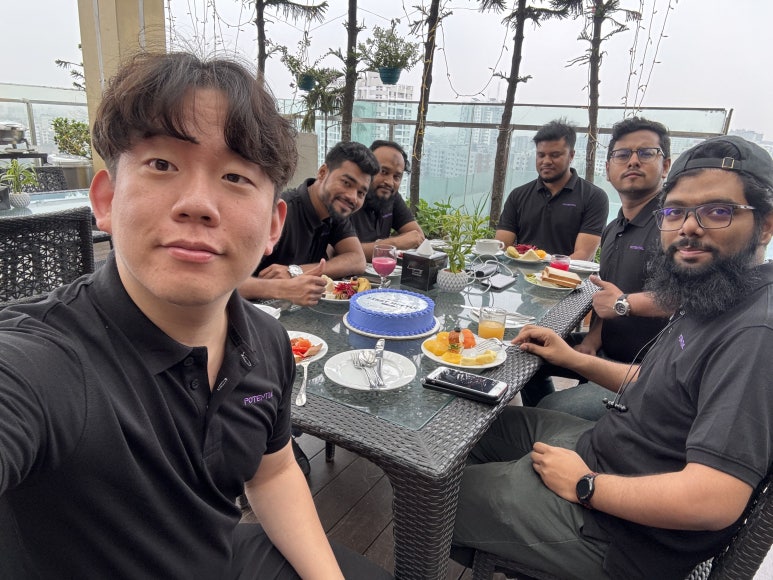
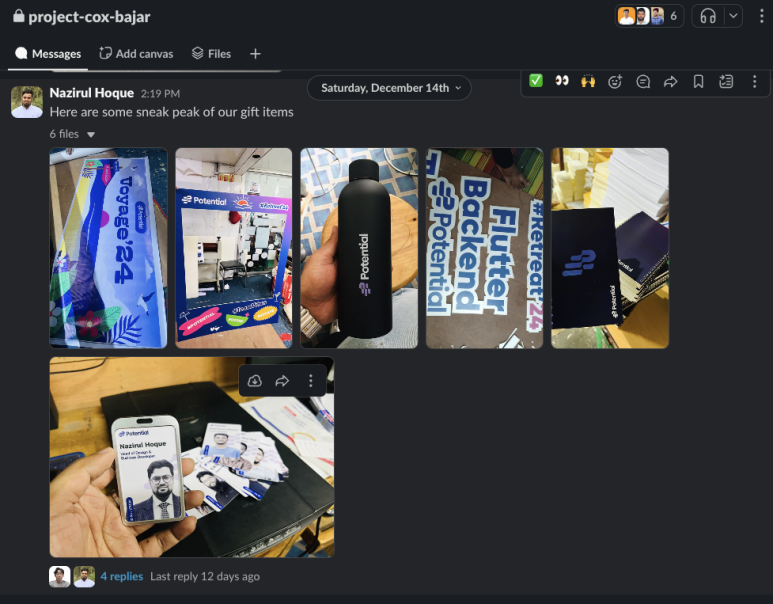
I didn't know what to do with myself in the face of the team's hospitality. Group T-shirts, a banner, even a cake — all of it astonishing. Group tees ordered back home usually come out shoddy, but as you'd expect from one of the world's top-three garment nations, the quality rivaled a major brand.
Over a cup of tea, we talked about things that are hard to bring up in front of a monitor. One thing I learned: a Muslim country lives much the way we do. Abdul couldn't get his wife's okay, so he couldn't stay at the hotel. Pohad and Siam work hard to fund their wives' studies. Atik, sleep-deprived because of a three-month-old, looked tired in a way that reminded me exactly of myself — and that felt oddly comforting. Anik had as many interesting stories as I do; he's also a PUBG commentator — Bangladesh's answer to a pro-gaming caster.
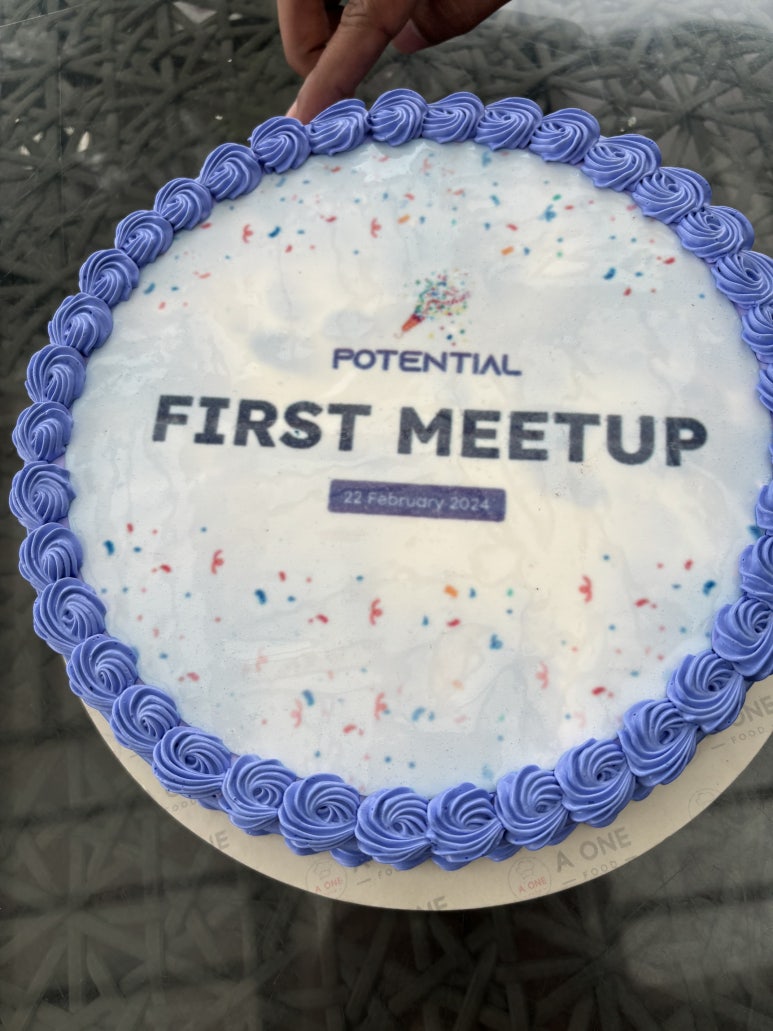
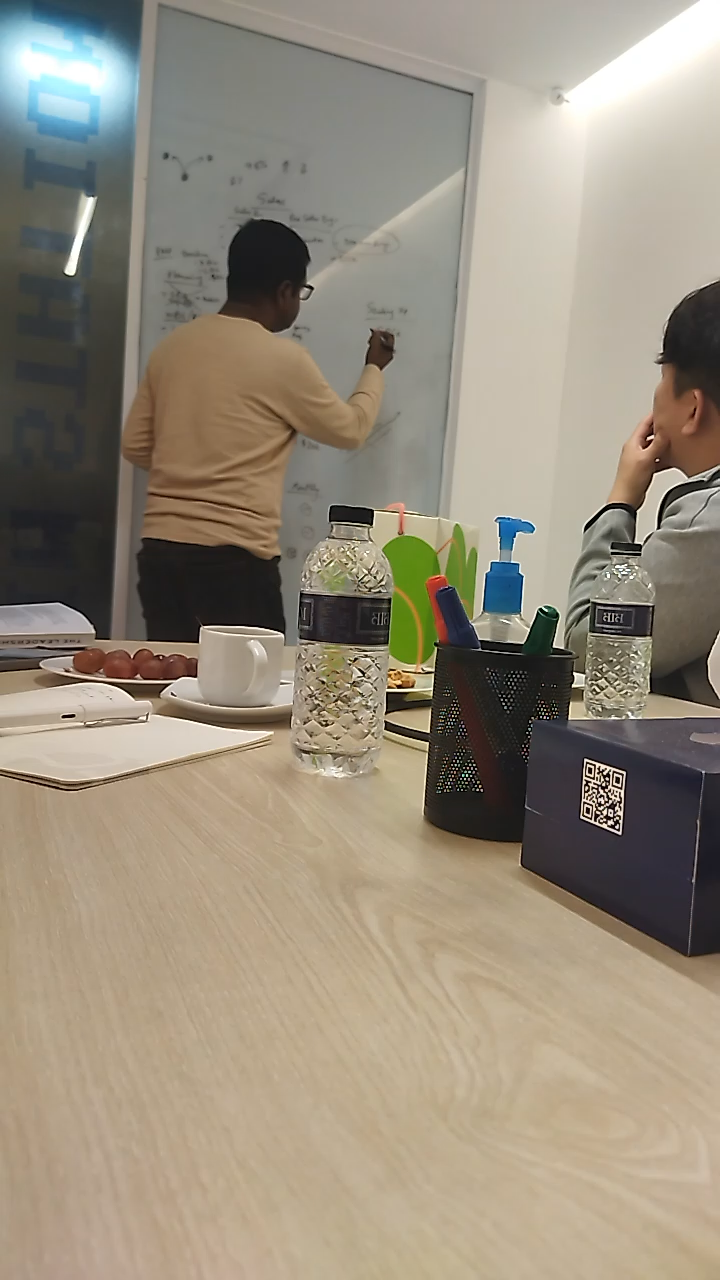
Talking face to face like this, I came to believe that no matter how far the world advances into the age of remote work, the role of offline won't change. Across 200,000 years of Homo sapiens history, we evolved in an environment of sitting face to face, working out how to bring down the prey together.
"We've worked with a lot of overseas CEOs by now — but you, Lucas, are the first one to actually come to Bangladesh to see us."
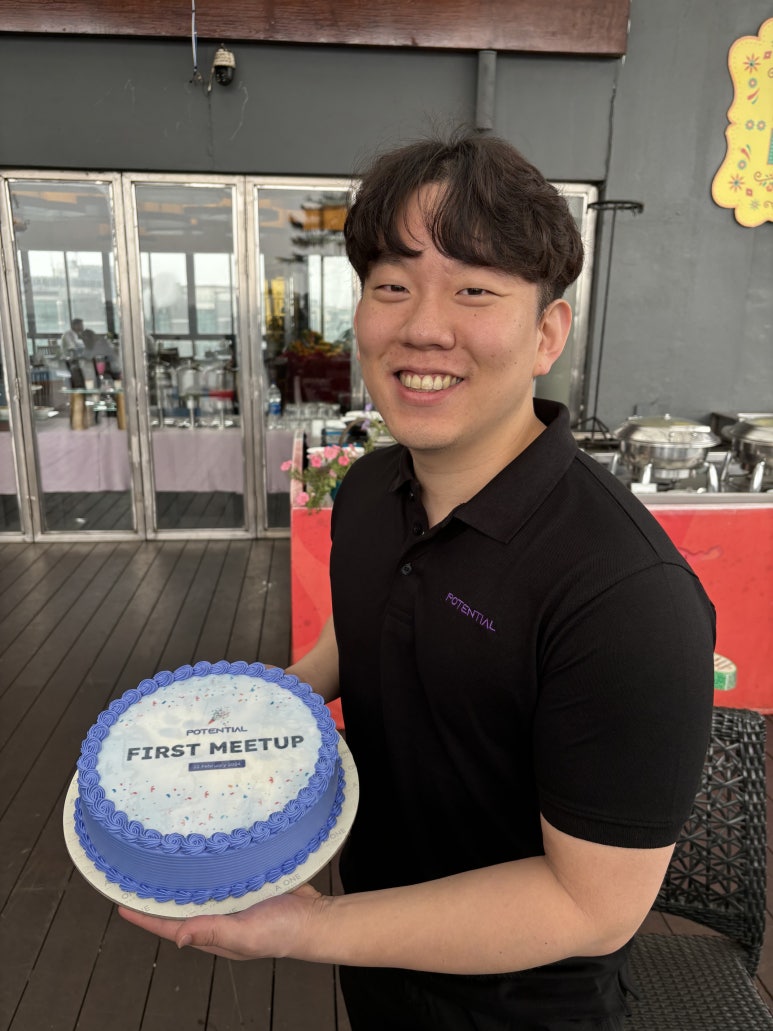
When I heard that, I knew that carving out the time to come had been absolutely the right call.
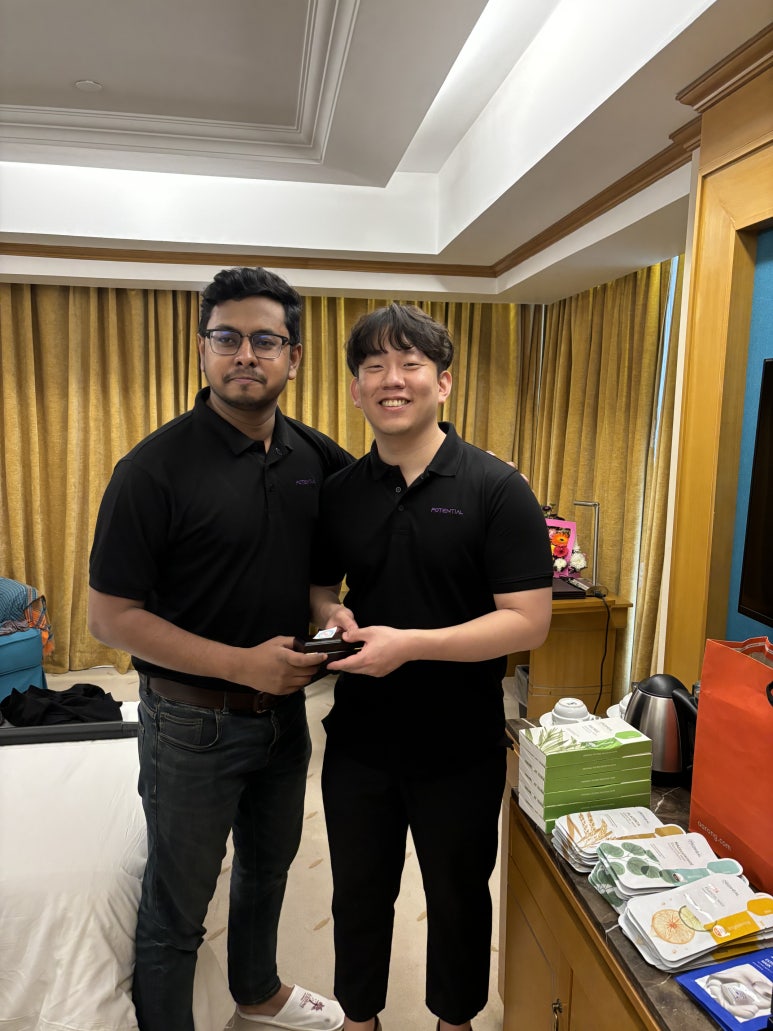
I'd agonized over what gift to bring. In the end I prepared a personalized name seal for each teammate. I'm not sure if Bangladesh uses registered seals, but I want the company to grow big enough that they'd have a use for them. Other companies hand new hires an M3 MacBook on day one — I'm honestly envious. I want to become a company that can buy its team MacBooks. (Though I'm still on an M1 myself.)
D-minus-10 hours: downtown Dhaka and Dhaka University
People in Dhaka can really drive. Cars whip past each other with 5–10 cm of gap.
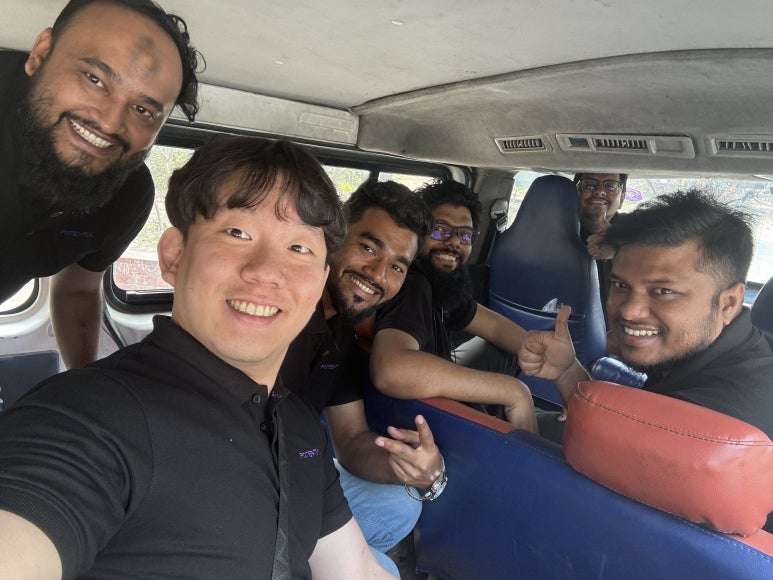
The one place I wanted to visit in Dhaka was Dhaka University. I was curious what students at the country's top school were thinking about. On the plane I'd had a chance to chat with a Bangladeshi engineer seated next to me, who said the dream job for Dhaka University students is civil servant. Thinking back to 1970s–80s Korea, it made sense — the power can be immense, and there's room to skim. Given how full of opportunity the country is, I hope more Bangladeshi students come to dream of being engineers or founders.
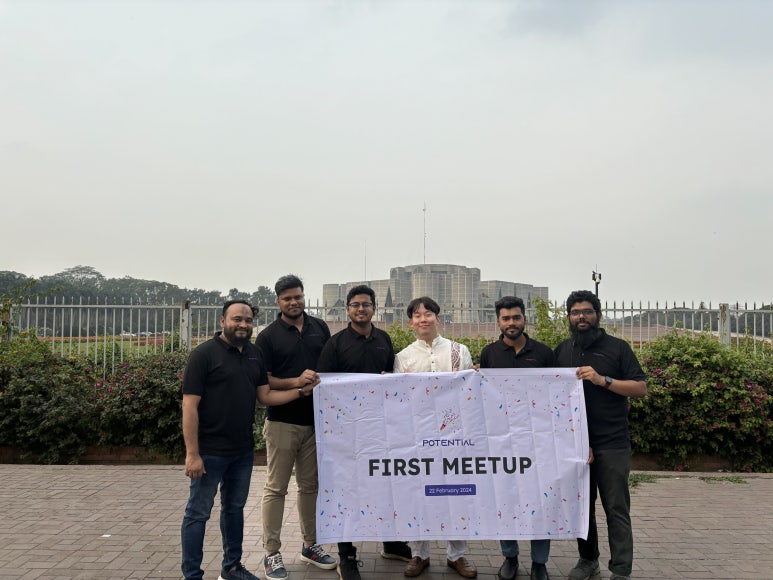
The plaza in front of Dhaka University was packed with students. In a Muslim country with no drinking culture, a tea culture had developed around the square, and the atmosphere was strikingly open — people would strike up a conversation with a stranger without hesitation. The streets buzzed with honking, but the sight of a plaza full of people focused on each other's faces rather than phone screens left a deep impression.
D-minus-5 hours: shopping and dinner
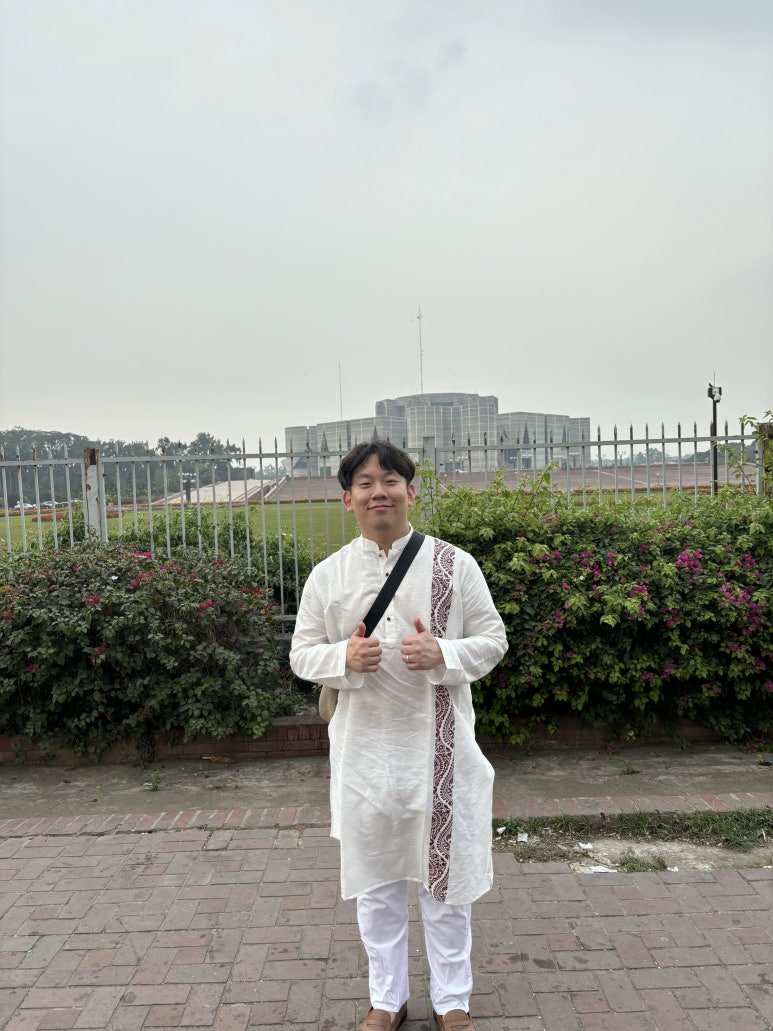
I bought the traditional outfit I'd long wanted. Walking around in it, locals looked at me with curiosity. And yes — you can feel BTS's stature even in Bangladesh. Hard to say among adults, but middle and high schoolers greeting me with "annyeong" was such a surprise. Anik's youngest sister is 11 or so; next time I go to Dhaka I should bring her one of those BTS lightsticks.
Everyone had been up until dawn, so as evening came our eyes started closing. It was a Spartan three-day-two-flight march. Still, because my teammates handled everything — rentals, reservations — I got to travel in real comfort.
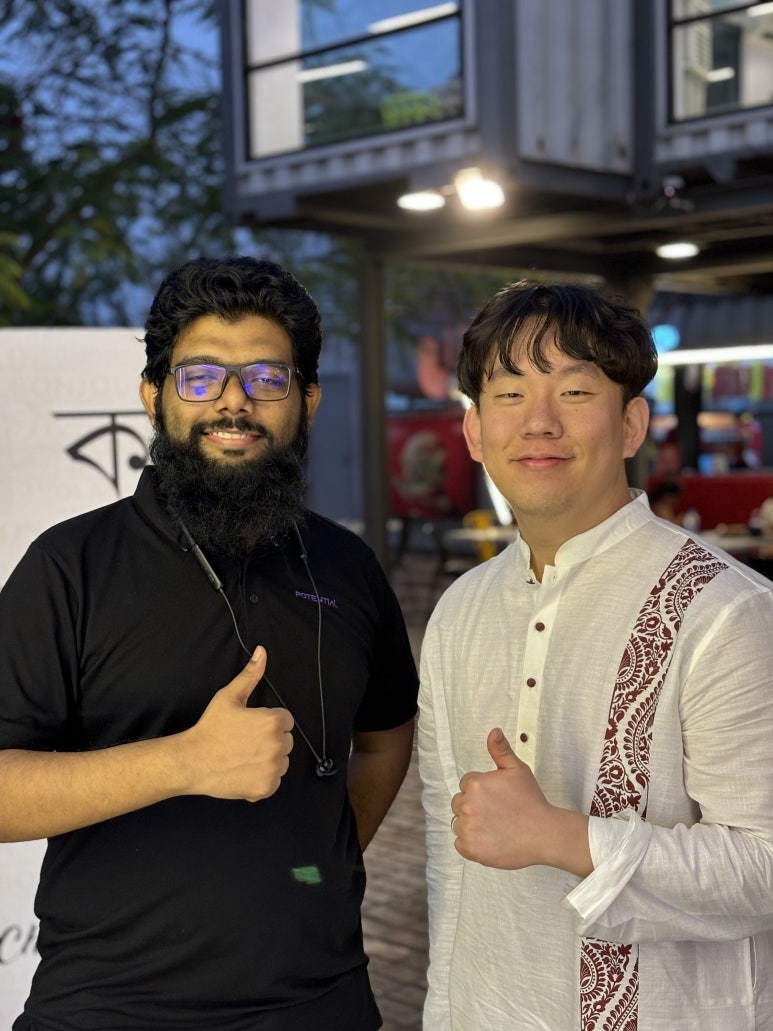
A brief meeting
I'd meant to avoid talking shop, but Siam and Abdul brought it up first, so there was no avoiding it. The shared theme: with so many new people joining Potential these past months, we need to start laying the groundwork now for a larger team. They advised setting up an SOP for each part of the programming work so every member follows it, and getting out of the current stage — where Lucas manages every single project — as fast as possible.
Siam also noted that the outsourcing trend in India and Bangladesh these days isn't project-based but team-based contracts — a kind of subscription model. The large Vietnamese IT outsourcing firms already run an ODC (Overseas Development Center) model: for companies that want a dev team abroad, they set up the team and charge a monthly fee. We should try it within the first half of this year.
In Bangladesh, a company called Brainstation 21 is reportedly the current market leader. On my next trip I should request a visit and learn as much as I can from their founder.
D-zero: heading home
"Guys, I'm thirty-three. I can get to the airport by myself."

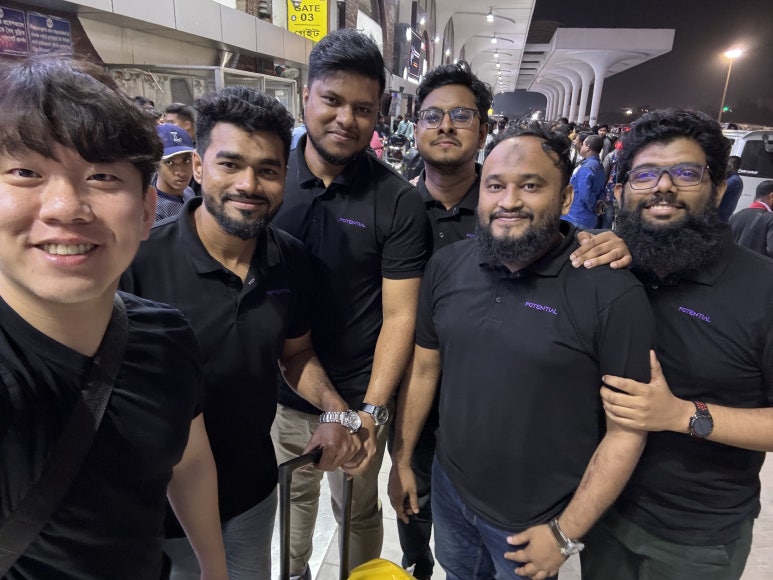
Even though I begged them to rest at the hotel, the entire team came out to see me off. I'm not sure I've ever received such a warm welcome in my life. The only way I can repay it is to grow Potential into a bigger company. There will be countless obstacles ahead, but if we keep moving forward honestly, I think there's an answer in it somewhere.
P.S. My thanks to the client founders who accommodated a three-day trip.
On the road West with talent from Bangladesh and across Asia, Potential (포텐셜) is the global-expansion partner that connects people, person to person.