{`How a founder who couldn't hold a basic English conversation made his first hire in Bangladesh.`}
An English-Phobic Founder Builds a Global Dev Team (The First Hire)
Lukas
Jun 4th 26
18 min Read
This is a record of building an app development business out of Bangladesh. It's an honest account of why I started there of all places, and how a founder with a phobia of speaking English made his first global hire.
1. English phobia
I lived in Ansan, Gyeonggi-do, for over twenty years. I received a textbook Korean education — and, in particular, a textbook Korean English education. Reading isn't a problem at all, but the moment a foreigner starts rattling off at full speed, I break into a sweat. And regardless of whether I've understood a word, I smile.
There were many obstacles to running an app development business out of Bangladesh, but the biggest bottleneck was, without question, my spoken English. Someone who couldn't manage basic conversation was supposed to hire people in English, talk to clients, run software design, and hold one-on-ones with team members? The road ahead looked very long. Still, I decided to do what I could, and on a recommendation from an older friend from school, I signed up for English lessons.
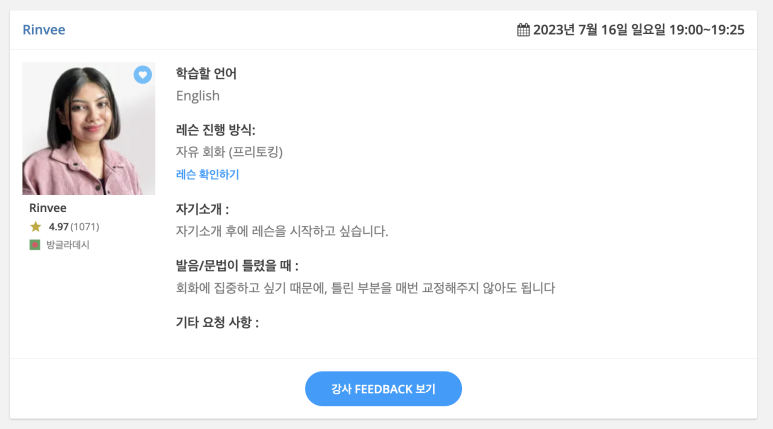
If it weren't for Rinvee, my teacher on the Engoo platform, our team wouldn't exist today. Most students sought out North American teachers, but I deliberately chose a Bangladeshi one. It was a better chance to learn their accent and culture. Slowly, I started to climb out of the "Hello, I'm fine thank you and you?" stage and, gradually, improved.
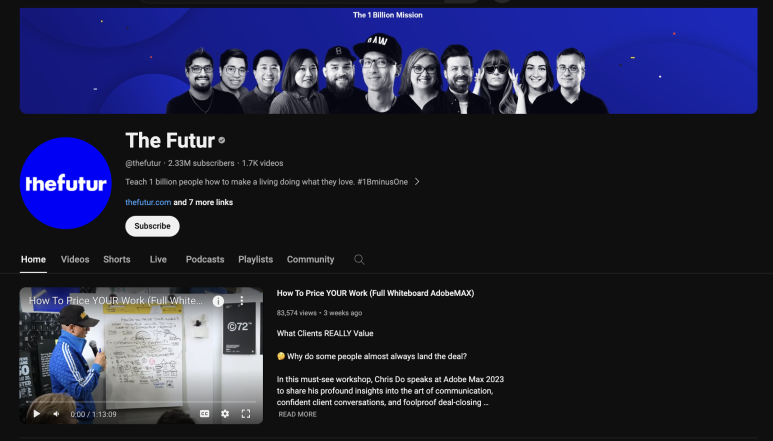
In the mornings, I watched Futur videos on YouTube. Futur is a channel run by the founder of a design agency in the US, and it teaches the various skills an agency business needs. The English is a bonus.
Looking back now, about six months in, I've come to think there's no need to obsess over perfect English. English is ultimately just a tool for communication; what matters more is the message. As long as I'd prepared the message well, my terrible pronunciation and accent didn't get in the way of running the team at all.
2. A nerve-wracking first hire
I have so much to say about hiring. We went through a lot of trial and error to get to the team we have now, but if I had to name the single most important thing, it's that I started hiring despite the fear.
A bit of TMI about me: I've never worked at a company, and I've never experienced organizational life. So I'd never seen how a normal company's hiring process even works. CVs, offer letters, probation periods, employment contracts, how to pay overseas employees, how to comply with foreign labor law, overseas bonus systems, tax handling — I knew nothing about countless things like these.
If I had to summarize what running a company requires, I think it comes down to one thing: when you hit a problem you don't know how to solve, how do you solve it? I haven't experienced organizational life over the past ten years, but I've run into plenty of unfamiliar problems. 99% of them get solved by either (1) asking someone better than me, or (2) reading a book. I worked through the problems above one by one through questions, reading, and YouTube.
The Potential wiki
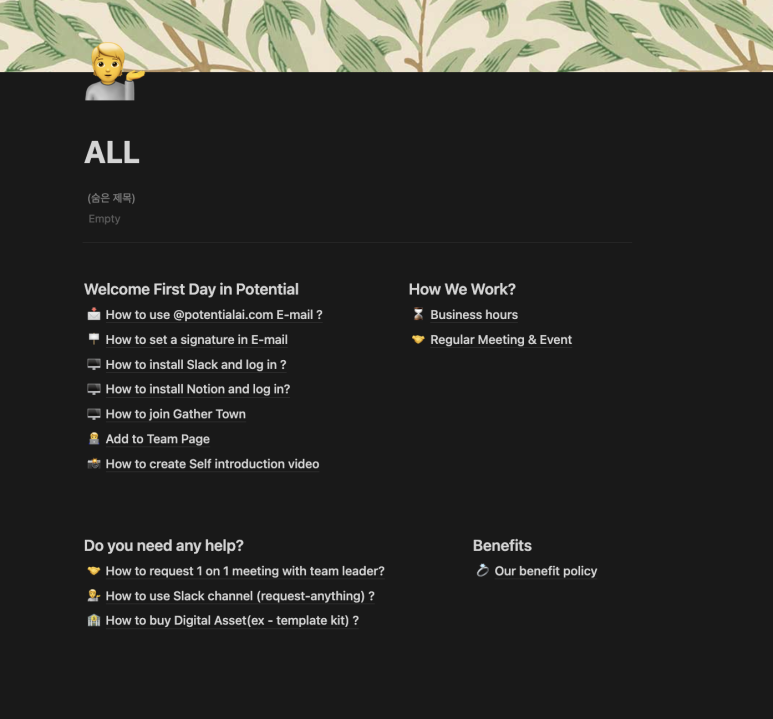
First, I prepared various materials to give the company some basic structure. Looking at other companies, I saw that many set up a company wiki or onboarding process. You don't want a new team member to feel lost. It would look pretty shabby to people at other companies, but I had to have something, so I cobbled it together. Then I posted the job opening and started taking applicants. This is where the hell party begins.
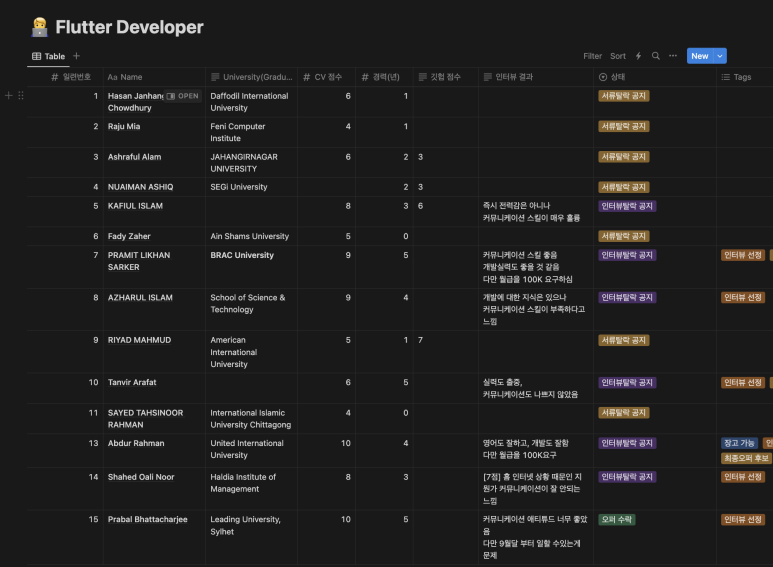
The candidate list
I have a lot to say about the hiring process. (I'll share it another time if the chance comes.) Since I'd never hired before, I couldn't tell who was a great person at all. And looking back now, four months on, my judgment was spectacularly wrong in plenty of cases. There were many hiring failures. Even so, through trial and error, I'm getting a little better. I have a lot to say about how to hire great overseas team members. (I'll unpack that in detail later.)
The hardest part was, without a doubt, the interviews. It may have been one of the few interviews where the interviewer was more nervous than the interviewee. I asked ChatGPT to draft an interview script, then prepared it by layering in our own flavor. And since reading off it would be obvious, I memorized it cold. Korean-style English education actually paid off here.
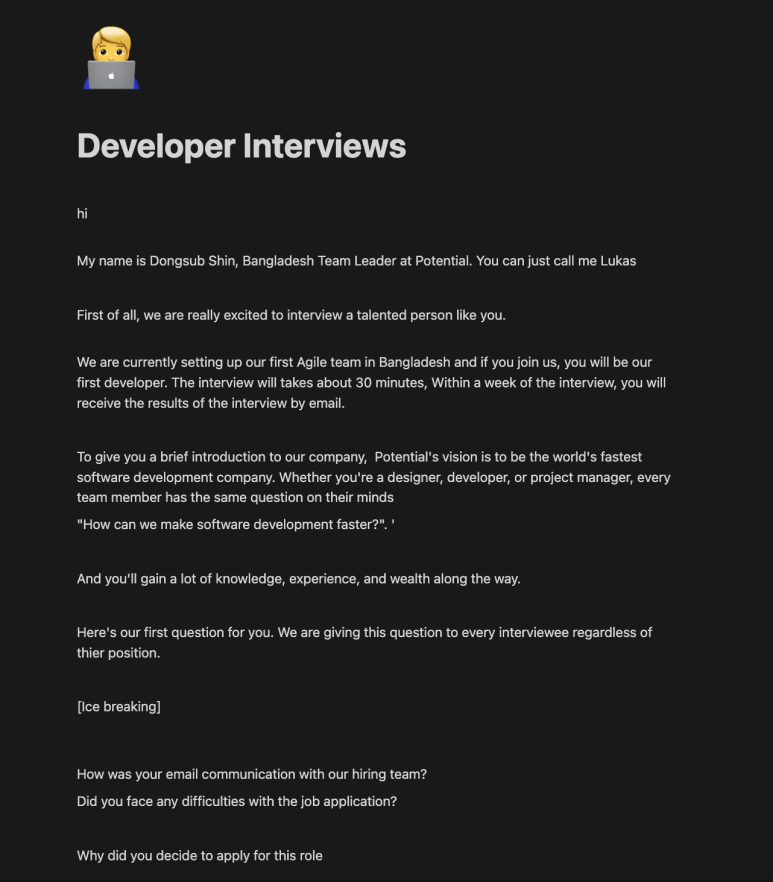
So I interviewed one candidate at a time. I'm genuinely sorry to say that through the first three interviews I was such a mess that I didn't lead them well. But as I kept at it, confidence set in, and now I even have enough ease to crack jokes and work hard to put the interviewee at ease.
Interviewing often had an unexpected benefit, too. As I did more interviews, my spoken English improved naturally, and I no longer needed to pay for conversation lessons on the Engoo platform. So I was able to save the cost of those lessons.
3. My precious teammate, Forhad
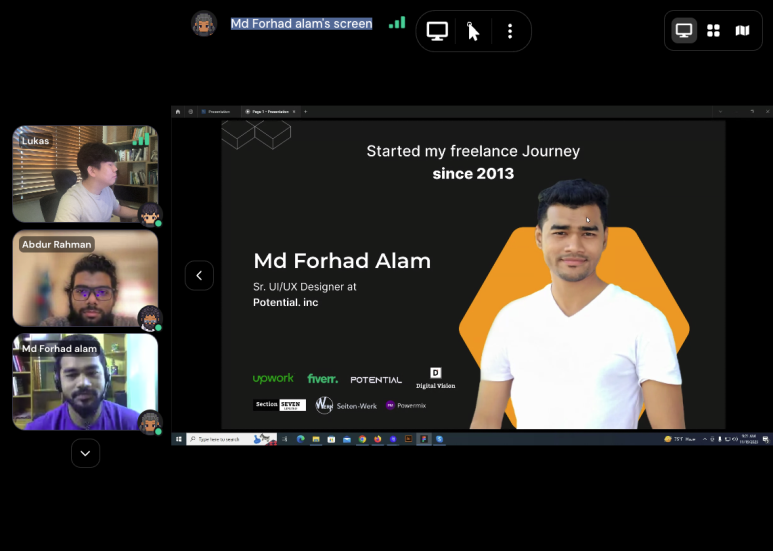
It would be a lie to say all of this was possible through my effort alone. The reason I've been able to carry this journey this far is that it would have been impossible without my first teammate and dear friend, Forhad.
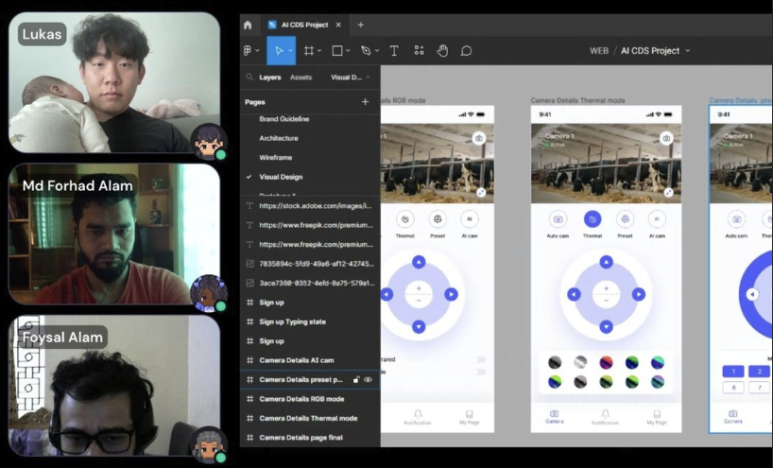
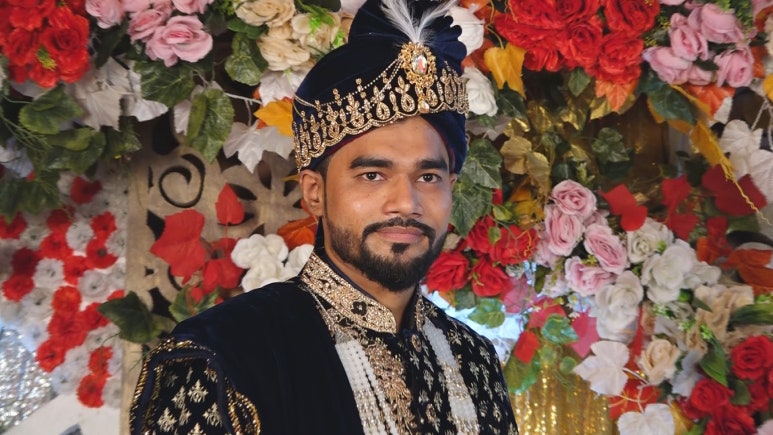
My first meeting with Forhad is still vivid. I interviewed him in the early days, when I still wasn't good at English interviews, and just a few words in I had the feeling that this guy was different. Perhaps thanks to his experience dealing with many US clients, he was at ease and witty in everything. What I especially liked was his negotiating ability — Forhad proposed a salary that no Bangladeshi designer would normally have imagined asking for. Watching that, I became convinced this was someone who knew how to sell, so I offered him a high salary, and that judgment was right. I can't really imagine how I'd have run the team without him. Forhad is responsible, honest, and knows how to work like a professional.
He even got married during his time on the team. To make sure Forhad and his family can grow financially secure and happy, I have to give it everything to grow this company.
4. Something more important than salary and benefits
Most of you reading this are probably reading it with this in mind. (I went into Bangladesh with the same mindset, after all.) How can I run a development team at low cost? How can I save money? Business is reality in the end, so I understand why you'd look at it strictly through a cost/revenue lens.
But the moment I start thinking of my team members as a means to save money, they start seeing me as nothing more than a machine that pays salaries. I overlooked this badly at first, and now it's what I pay the most attention to. Through trial and error, I learned that people aren't moved by money alone. I'll cover this more in the next post.
P.S.
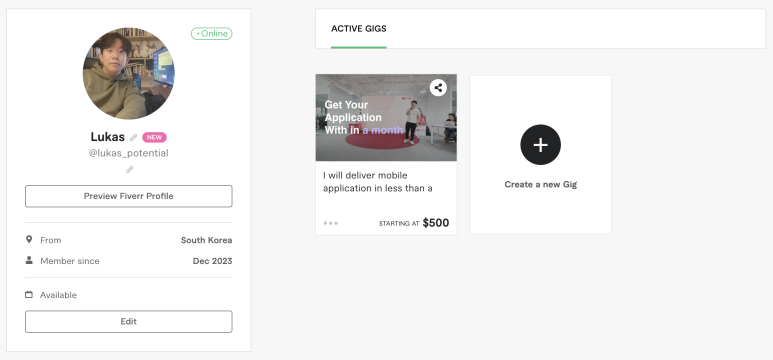
Yesterday I set up a Fiverr account. Now I have to compete not with Korean firms but with Indian and Pakistani development shops. It won't be easy, but I believe that if I keep giving it my best, a way will appear.
Potential (포텐셜) is a partner that builds the path to global markets alongside Korean and Asian founders. If you're curious about building a global team, feel free to reach out anytime.