{`Eight failed products, and the one talent I found in the wreckage`}
Why We Started a Dev Agency in Bangladesh, of All Places

Lukas
Jun 4th 26
15 min Read
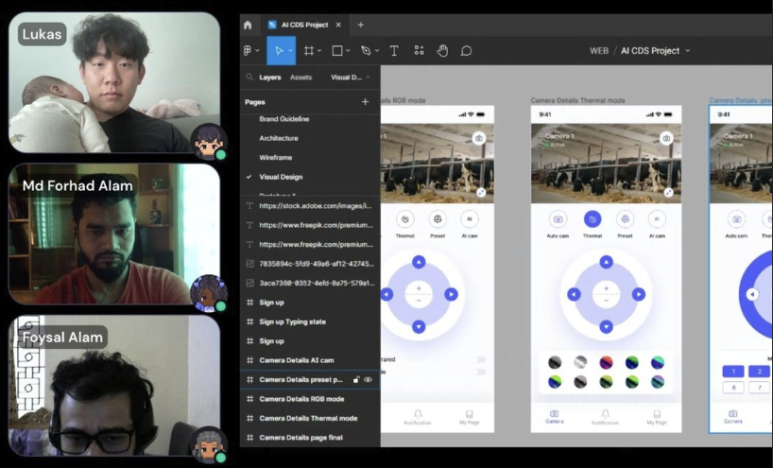
Today I run a software outsourcing business with seven teammates in Bangladesh. The business is simple: individuals and companies that need an app or a platform pay us to build the software for them. People call it system integration, IT outsourcing, or agency work depending on where you are. In Korea, it's often dismissed as grunt work — but I genuinely love this industry. So how did I end up in it, in Bangladesh of all places?
Eight Products, Eight Brutal Failures in a Row
2022 was a genuinely hard year. Following the advice of more experienced founders — "fail fast, fail often" — I built product after product and shipped them into the market. But just because a failure is small doesn't mean the wound is. Here's the list from that stretch:
- A deep-learning body-composition analysis service
- A deep-learning service for tracking muscle development by body part
- A feedback service between personal trainers and their clients
- Audio Gym — built on the insight that people blast intense music or motivational videos while working out. (Even now I'd call it the best thing I've ever built. Nobody used it.)
- A weight-training log app — there are already countless log apps, and looking back I have no idea what I was thinking
- A Pilates sequence log app
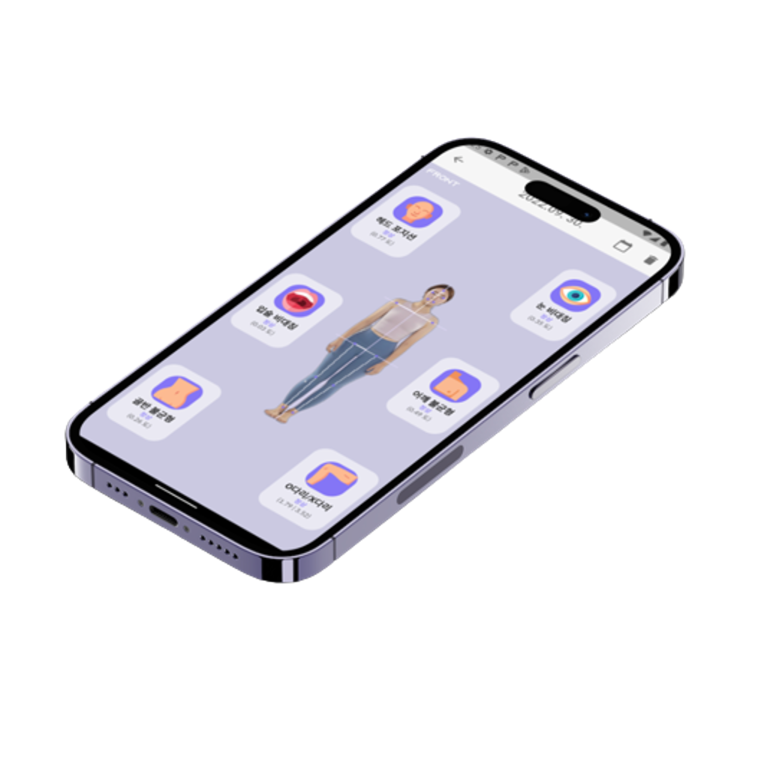
- A deep-learning posture-assessment app for Pilates instructors (forward head, pelvic tilt, rounded shoulders, etc.)
When #4 failed, the blow was so heavy that I was furious at myself and deleted the entire project with Shift+Delete. My confidence was shot, I badly needed a small win, and I decided to find something — startup or not — that could make money fast. So, like a lot of founders do, I started taking on outsourcing work.

A Talent I Stumbled Into
Building all those products through 2022, I'd — funnily enough — developed a new talent: I'd gotten genuinely fast at building software, any kind of it. There are plenty of people in the world with more CS knowledge and better coding chops than me, but when it comes to building products fast, I believe I'm in the global 1%.
It's hard to put into words, but when a client says "I want to build something like this," the whole sequence just organizes itself in my head — model the database this way, lay out the app like that, here are the pages you need, simplify this feature down to this.

A Deep-Learning App in 9 Days
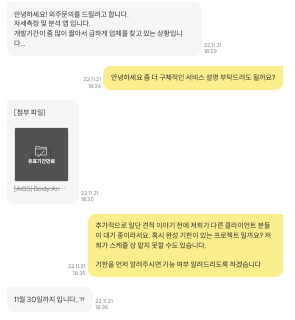
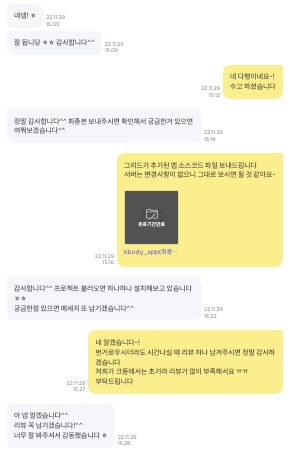
One client messaged me on Nov 21 and asked for a Nov 30 deadline. A nine-day deadline for a deep-learning app — an absurd ask. Once you account for the contract and the kickoff meeting, the actual build time was under a week. But I was confident.
I'd spent the whole year setting eight services on fire, bleeding money the entire time — and yet within a month of taking on outsourcing work, money was coming in fast. That made me wonder: maybe what the market actually needed wasn't the eight services I built, but the ability to build a product fast.
The Bigger Backdrop: A Shrinking Population
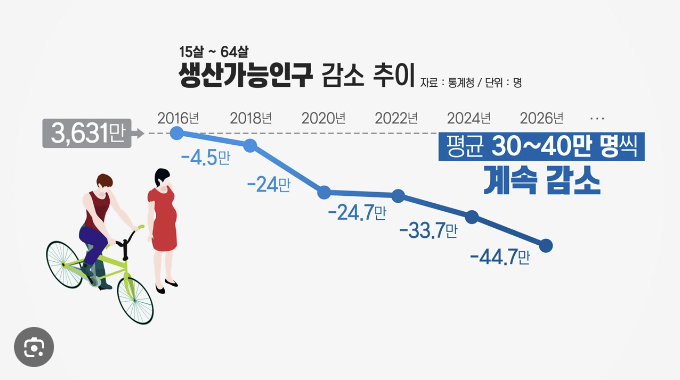
The working-age population is shrinking. Worse, the young productive population is shrinking dramatically. In an industry like IT, where you have to constantly absorb new technology, fresh blood matters enormously — and the supply isn't coming. Which means demand for shops like ours is only likely to grow.
Big tech and trendy startups have it easier, but for small and mid-sized companies in industries that aren't IT-friendly, finding a dev team is brutally hard. There's an episode tied to this: after we wrapped a project, the client CEO asked how big our team was and then offered to acquire us. When I asked why, the answer was simply that finding a decent dev team is that difficult.
Seeing all this, I concluded that as long as we work honestly, at fair prices, and just do our job well, we won't go hungry in this business.
What Garment Manufacturing and IT Outsourcing Have in Common

I thought hard about how to grow the team. Unfortunately, in Korea no system-integration shop has ever clawed its way up to become a large company on its own. Which means I, too, will very likely fail to scale up much beyond the other agencies. So I dug into overseas cases. India and Vietnam had plenty of success stories:
- An Indian IT company founded on $250 that grew into billions in revenue
- A company that pivoted from IBM computer distribution into IT outsourcing and rose into Vietnam's top market caps
The more I looked, the more I noticed a striking pattern. Obvious in hindsight, but IT outsourcing keeps migrating toward cheaper countries. It started in China, moved to lower-cost India, and these days Vietnam — centered on Ho Chi Minh City — is hot.
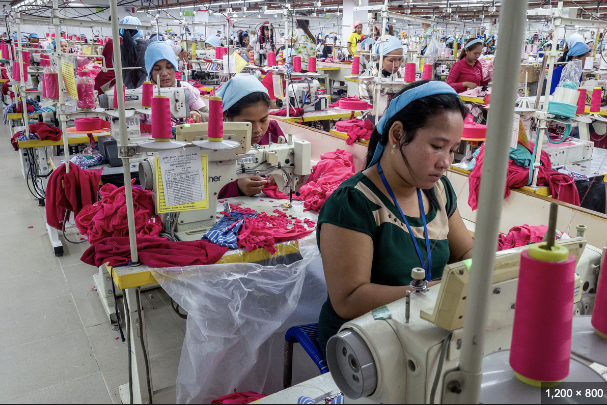
The more interesting fact is that another industry shows the exact same pattern: garment manufacturing. Apparel production started in Korea, passed through China and India, and moved on to Vietnam. And today, Bangladesh is the world's second-largest garment producer.
Why I Bet on Bangladesh
I bet on Bangladesh as IT outsourcing's "next Vietnam." Garment manufacturing and IT may look nothing alike, but they're actually quite similar. Both are intensely labor-driven, and both can be started with no capital. Especially now that YouTube has raised access to high-quality educational content, anyone willing to put in the work can learn.
To sum it up:
- I was curious where IT outsourcing's center of gravity would move after Vietnam.
- Garment manufacturing and IT outsourcing seemed to follow the same pattern.
- Something told me it'd be Bangladesh.
This post continues in "An English-phobic founder's nerve-wracking first hire."
That small bet, placed in Bangladesh, has grown into Potential — a development partner that helps Korean and Asian founders expand westward. If you're curious what it's like to work with a global dev team, reach out anytime.