{`Fully remote, flexible work is a win for the company, the team, and society.`}
We're Hiring Career-Break Designers — 100% Remote, Flexible Hours
Lukas
Jun 4th 26
6 min Read
We're hiring designers whose careers were interrupted by parenting — fully remote, flexible hours. From the day I founded this company, I built it around 100% remote work and flexible hours (start when you want, finish when you want). There are three reasons I made that choice.
1. It's good for the company
With 100% remote work, a company can hire talent anywhere in the world.
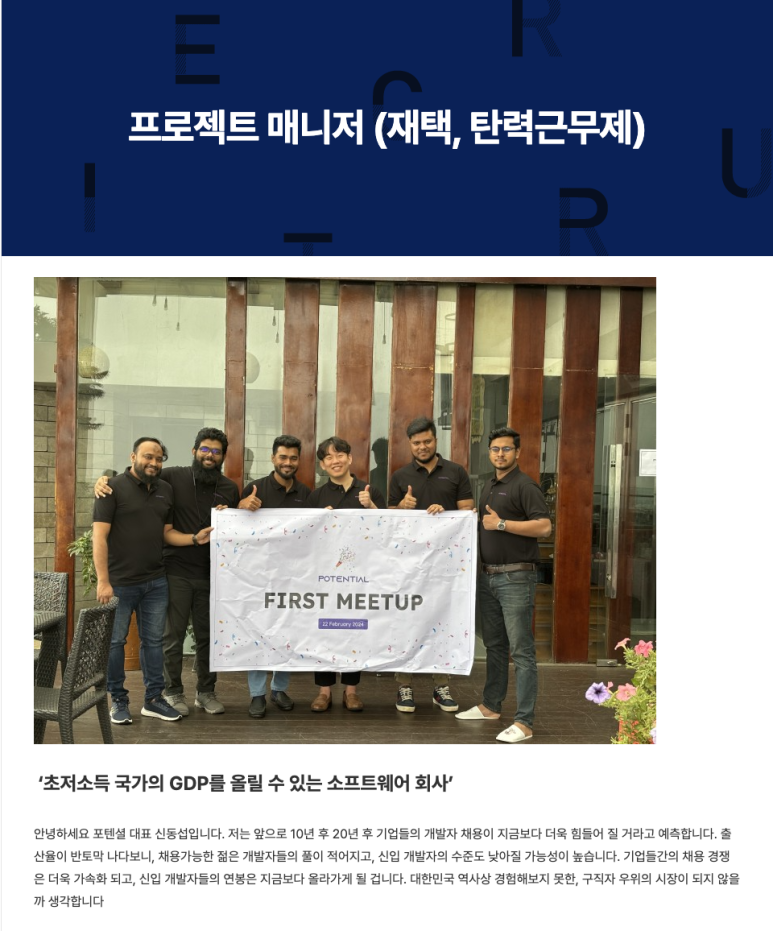
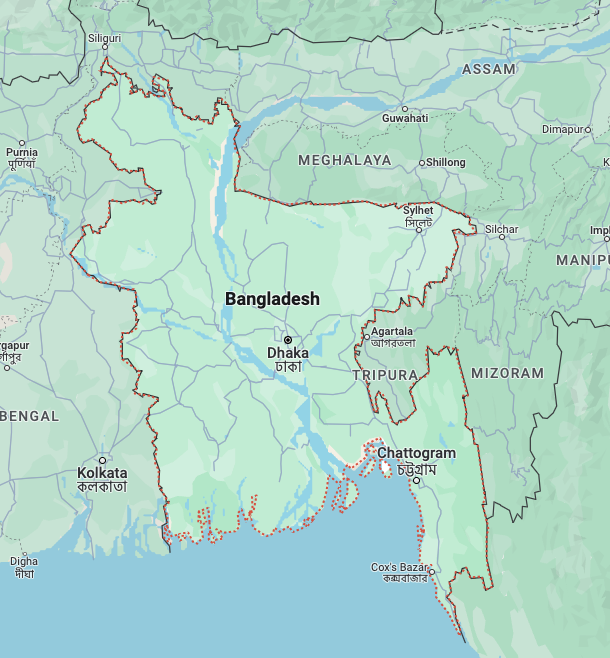
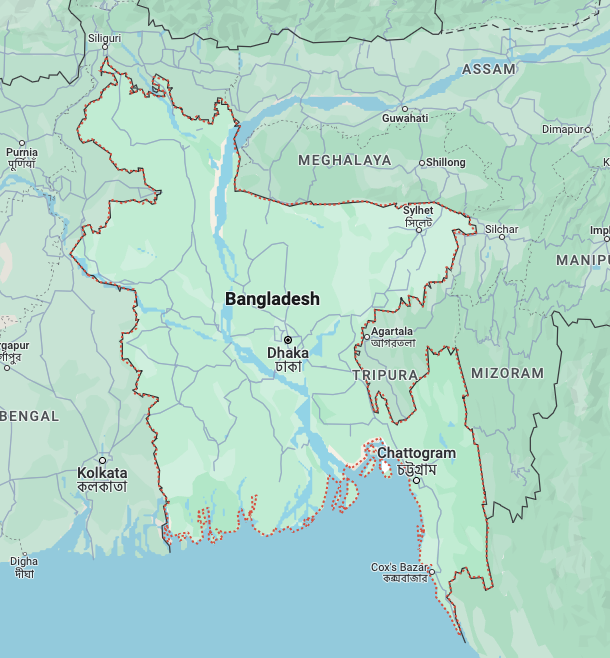
For example, our teammates in Bangladesh live in three different cities — Dhaka, Sylhet, and Chattogram — each roughly 500 km apart. They've never once met in person, yet everything runs smoothly. If I'd targeted only one neighborhood (Gangnam) in one country (Korea), I could never have found teammates as good as the ones I have now.
2. It's good for the team
Teammates can reclaim the time they used to burn on commuting. Korean office workers spend an average of about three hours a day commuting; multiply that by 20 workdays and you get a staggering 60 hours a month. Those 60 hours can go to self-development or to family. I'd value 60 hours at at least ₩1,000,000 (~US$725).
Young people outside the capital don't have to strain to move to Seoul. There are no jobs in the provinces — but for those without roots in Seoul, the cost of living there is steep (a young person needs over ₩1,000,000 a month just to live independently in Seoul). If we can offer a way to keep living in the provinces and still work, those teammates can save at least ₩1,000,000 a month.
Just by changing the way we work, we created over ₩2,000,000 of added value a month. If a company's leader can trust the team, I thought a small company like ours had every reason to take the bet.
Once, I asked a teammate what they liked about working here, and the most common answers were:
- No more hellish morning commute.
- They could juggle childcare and work at the same time.
3. I needed it myself
I started preparing Potential in earnest in July, with a baby due in September. To run a startup and parent at the same time, 100% remote work with flexible hours looked like the only answer.
Over the past four months of building the company while raising a child, I've realized that in parenting, raw hours matter — but the freedom to adjust your schedule for the unexpected matters even more. When a child gets sick, or daycare goes on break, annual leave and vacation days alone can't cover it. And even when they technically can, you feel the weight of your coworkers' eyes. In my twenties I believed the nuclear or single-person household was the ideal form; after having a child, I've become an evangelist for the extended family. In parenting, having reserves who can step in at any moment is genuinely vital.
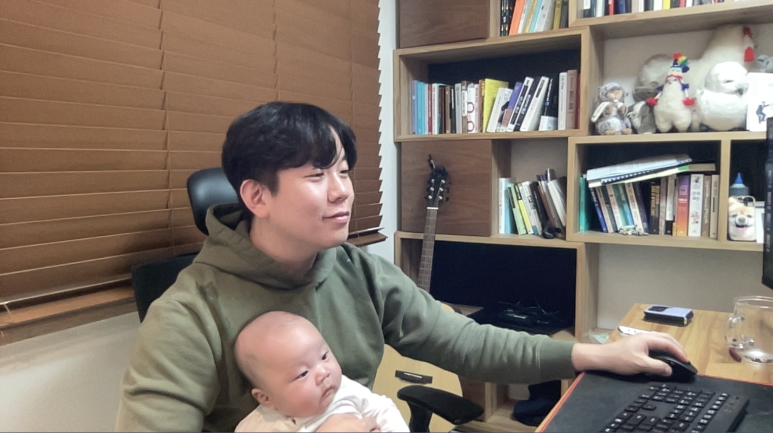
In our home, my wife currently carries the childcare solo while I work from home and help out in the gaps. Even with her handling it full-time, the reassurance that I can step in at any moment helps enormously. (She needs to use the bathroom too, and to step out for a short walk.)
So — we're hiring career-break designers
Juggling parenting and work, even briefly, taught me a lot. It made me think about how many mothers have had no choice but to give up their careers for childcare. (Since fathers' incomes are usually higher, it's the mothers who tend to give it up.) At the same time, I found it heartbreaking that so much exceptional talent goes unused because of a career interruption — extraordinary ability, unable to be put to social use, buried somewhere in the provinces.
So we want to hire designers (living outside the capital) whose careers were interrupted by parenting. The work is 100% remote with flexible hours, and it's completely fine if you can only work up to four hours a day. If you know someone like this, I'd be grateful for an introduction — reach Dongsub Shin (contact@potentialai.com). It's good for our company, good for the designer, and good for society.
Working with great talent wherever they happen to be — that's how Potential (포텐셜), the global-expansion partner for Korean founders going West, gets things done.