{`What a first-time team lead learned from the decision he most wanted to delay.`}
My First Layoff, a New Team, and a First Trip Abroad

Lukas
Jun 4th 26
8 min Read
I've been buried, no time to breathe. My last post was on January 7th, and I haven't written since. Writing used to pour out the moment I touched the keyboard; today I keep hesitating, which tells me just how long it's been. So much has happened that I don't know where to start. Still, let me get it down somehow — I have to record my thoughts and experiences as honestly as I can, so that next year's version of me can look back through this.
1. My first layoff
It was a hard decision. Looking back, it's one I should have made last November, yet I put it off for almost three months before I could finally act. Running projects with a limited team, I'd gone a long time without reviewing one teammate's code. Then one day a problem surfaced and I had to look at it myself — and, as I'd feared, it wasn't in good shape. I had two options:
- Give them time to grow and change.
- Let them go right away.
At that moment, option 2 was the right call — but there were a few reasons I couldn't take it. First, I'm a soft-hearted person and a rookie team lead with almost no management experience. Second, this person was our team's very first employee. Third, I was afraid that letting someone go the moment performance dipped would breed a climate of fear inside the team.
So I chose option 1, and I asked the team for advice. Here's the situation — what's the right thing for me to do as a leader? One of our senior engineers volunteered to take it on. "Let me try to coach them — give me a few weeks. If nothing's changed after that, you can act." That colleague genuinely went all in, hand-building a clean architecture and walking them through it step by step. Sadly, it didn't translate into change.
In the end, they left the company. In Bangladesh there's roughly a one-month notice period. Since this was my first time through it, there's so much I don't know. I'm not even sure what we should wrap up together during that month of notice. Goodbyes matter as much as hellos, and I don't yet know how to close things out professionally. As always, I'm surrounded by things I don't know. One thing is clear, though: I should have faced it honestly, and far earlier.
2. A full pipeline
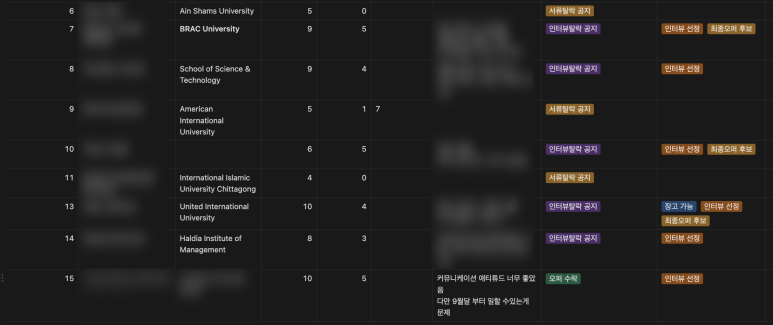
Projects are running at full capacity. The founders who'd trusted us before kindly renewed — thanks to how well the team performed. But there are plenty of problems too. With the pipeline maxed out, I'm feeling the limits of a labor-intensive business vividly:
- The pipeline fills up.
- New projects come in, and we have to turn them down.
- Marketing falls by the wayside.
- An existing project ends.
- A gap opens in the pipeline.
- Anxiety sets in, so we restart marketing.
- Back to step 1.
Breaking this loop means hiring more — but hiring raises risk, and the bigger the headcount, the more organizational inefficiency creeps in. I've never done this, so I don't know the right move. Whenever I feel that way I turn to Andrew Grove's High Output Management, and I always find a hint.
3. New teammates
There's a scene in High Output Management. A vendor sells fried eggs. If making a fried egg has several steps, at which step should you run your quality check?
- Buy eggs from the supplier.
- Sort the eggs by expiration date.
- Heat oil in the pan.
- Crack the egg.
- Flip the egg.
- Move it to the plate.
Now say you're hiring a developer. With multiple stages — 1) resume screen, 2) coding test, 3) team-lead interview, 4) founder interview — at which stage should you invest the most effort, i.e., at which stage should you filter out the most people, to call it an efficient hiring process?
Grove insists, unconditionally, that filtering early — when little processing has happened yet — is what matters. The further along the process, the more resources you've sunk in. Nothing is more wasteful than "inspecting every finished fried egg" or "putting every applicant through a CEO interview," so he recommends running the most rigorous quality check at the very first stage of every process.
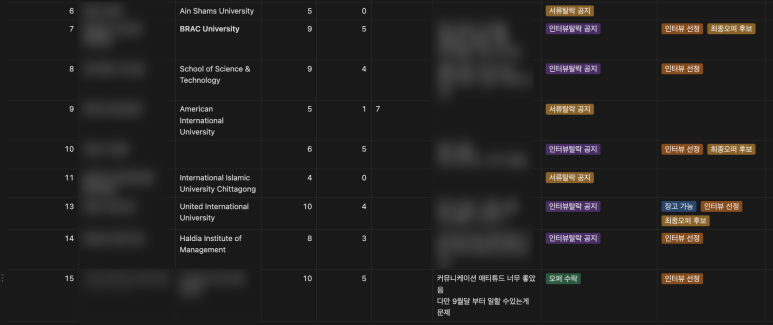
Taking that lesson to heart, I poured effort into the resume screen and stopped just collecting CVs — I issued a take-home assignment at the same time. The harder the assignment, the fewer people applied. But that meant we only reviewed excellent candidates, and in the end we could run high-quality interviews efficiently with a small, strong shortlist.
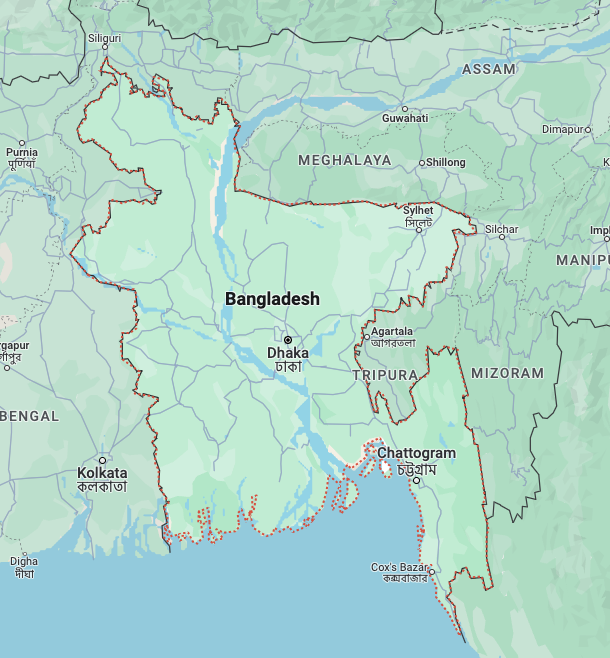
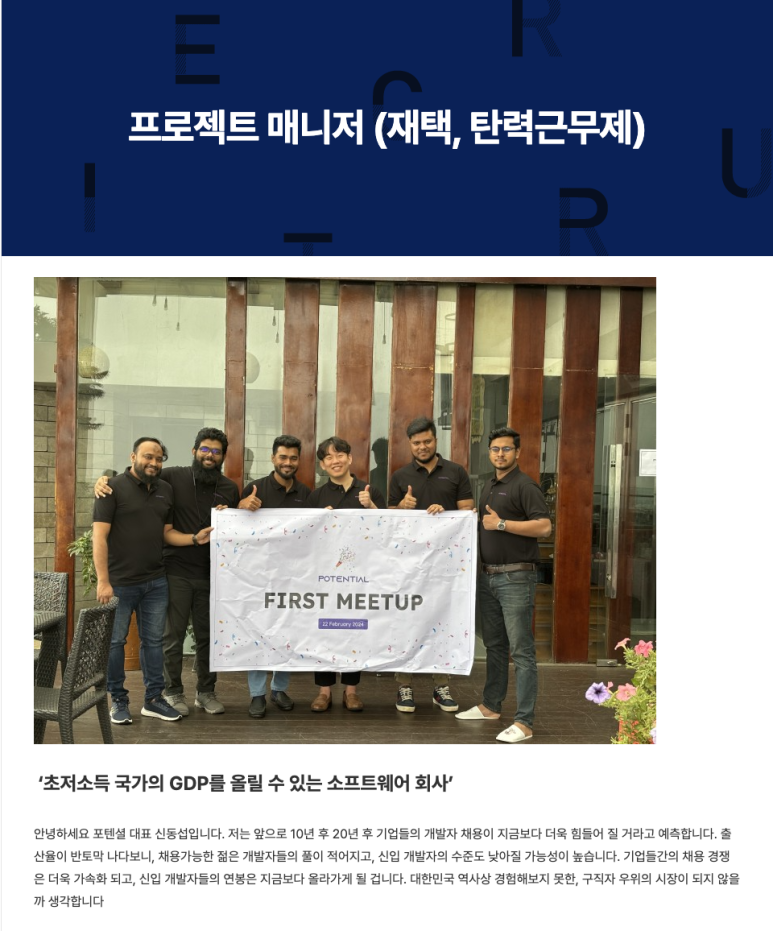
4. First trip: Dhaka
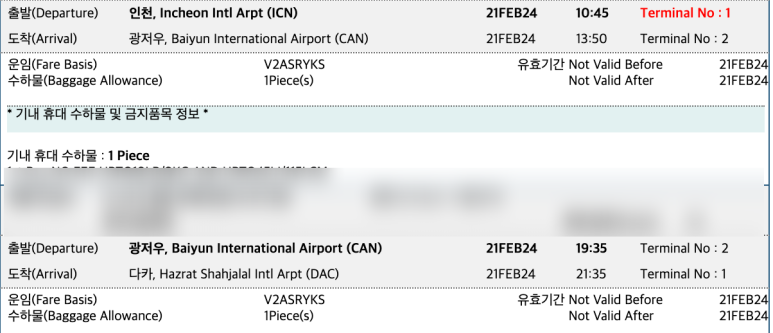
At last I'm going to Dhaka to meet the team. Since my wife is carrying childcare solo at home, I can't be away long. I have three days, and with no direct flights, about two of them will be spent at Guangzhou airport or on the plane.
Preparing for this Dhaka trip, I learned for the first time just how expensive a workshop is. My heart used to lurch every time my wife suggested a hotel staycation — and now, trying to book this many hotel rooms at once, the number on the screen felt unreal. I hope the company grows fast enough that we can do workshops without worrying about money.
Either way, I'm really looking forward to this visit. I'll go, see a lot, and learn a lot.
From building a team to protecting it and growing it strong — all on the road West — Potential (포텐셜) is the global-expansion partner that walks the whole journey with you.